

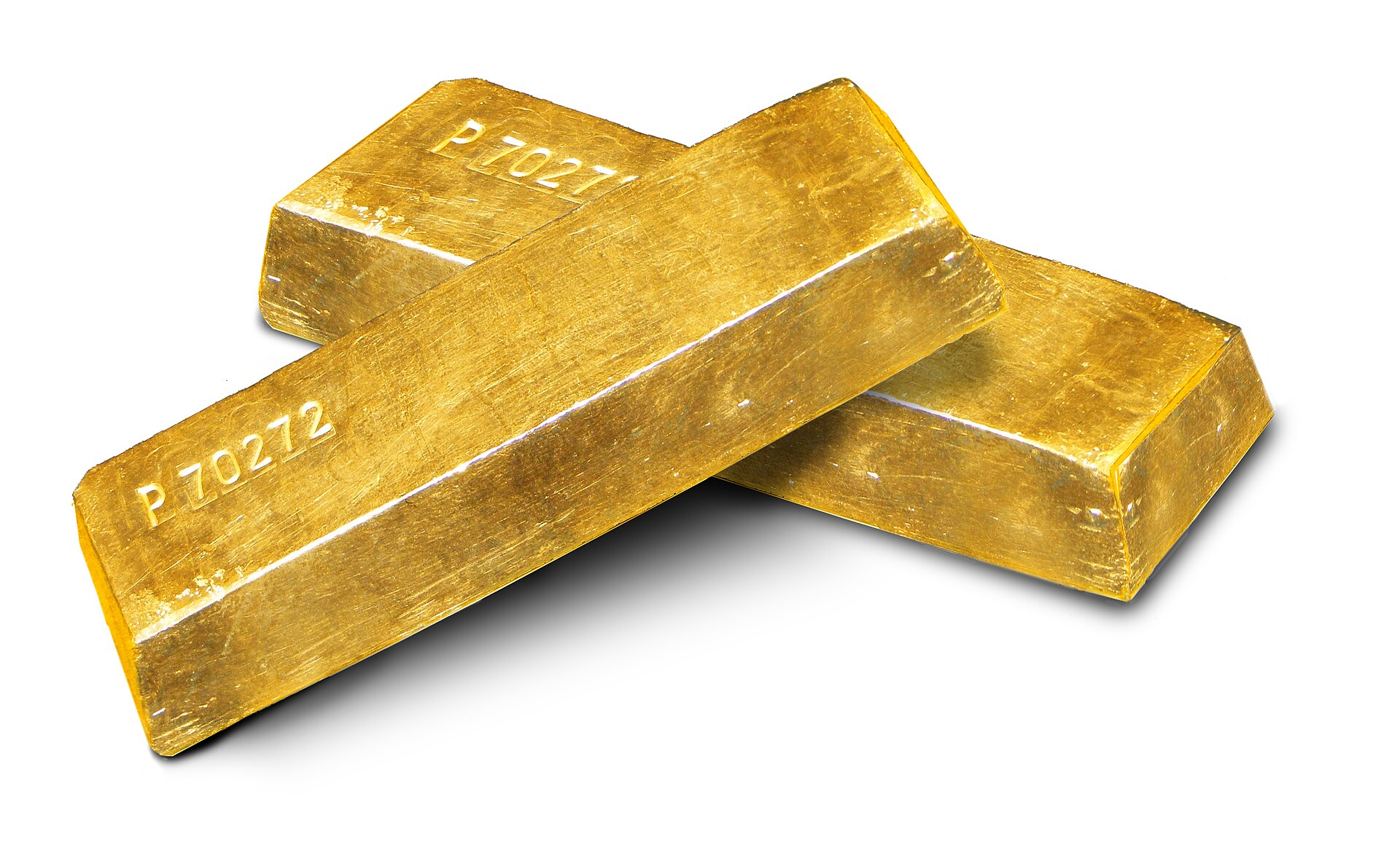
Gold has had one of the wildest years in its long history, soaring to a record high, crashing sharply, and then climbing back above $4,000 an ounce. The metal first crossed $4,000 in October 2025, then ran to an all-time peak of $5,594.82 an ounce on 29 January 2026, before a sudden sell-off wiped out more than 9 percent in a single session. By October 2026 it had steadied again, setting a fresh record of $4,381.21 on 20 October, and it was still trading near $4,000 in November. Central banks have been the biggest buyers: the World Gold Council reported that they bought a net 321 tonnes in the third quarter of 2026, 42 percent more than a year earlier, with China adding 63 tonnes. Goldman Sachs raised its year-end price target to $4,900 an ounce in October, citing the same forces. The rally has been driven by geopolitical tension, worries about government debt and expectations of lower interest rates, the classic mix that sends investors towards gold.
What the Evidence Shows
For ordinary investors, gold’s year is a reminder that even a safe haven can be volatile. A metal that gained more than 60 percent in a year can still fall 5 percent in a day, as it did in late October 2026, when a sell-off in technology shares forced investors to sell gold to cover losses elsewhere. Jewellers and manufacturers feel the price in a different way, because dearer gold raises the cost of rings, necklaces and electronics. Central banks, by contrast, buy steadily through thick and thin, because they hold gold as insurance rather than as a trade. Analysts are split on what comes next: some see the record run continuing while debt and tension stay high, while others warn that a metal priced for fear can fall fast when the fear fades. Anyone thinking of buying should remember that gold pays no income, so its case rests entirely on the price going up. Reporting and analysis from sources such as World Bank track the same developments, and specialists following gold price surge say the direction is now consistent across independent lines of evidence.
The Wider Context
For households and small firms, gold price surge matters through prices and access rather than through market commentary. Changes at this level arrive as a rate on an offer letter, a fee on a statement or a product that quietly disappears from a comparison table. Consumer groups argue that transparency at exactly that point of decision is worth more than any amount of market-level reporting.
What Happens Next
The outlook for gold price surge hinges on policy choices that will be made in the open over the coming quarters. Market participants are positioned for more than one outcome, which is why the immediate reaction to each announcement has been smaller than the commentary around it. For ordinary savers and borrowers, the advice from every quarter is the same: review your own position, not the headlines. You can follow related developments in our coverage of finance.
It is also worth remembering how quickly the picture in this area has changed before. Positions that looked settled a few years ago have been revised as new data arrived, and the same humility is appropriate now. The strongest coverage of this subject, and the most useful advice, tends to come from sources that update their views openly when the facts move, rather than defending an earlier position long after it has stopped fitting the evidence available.
