

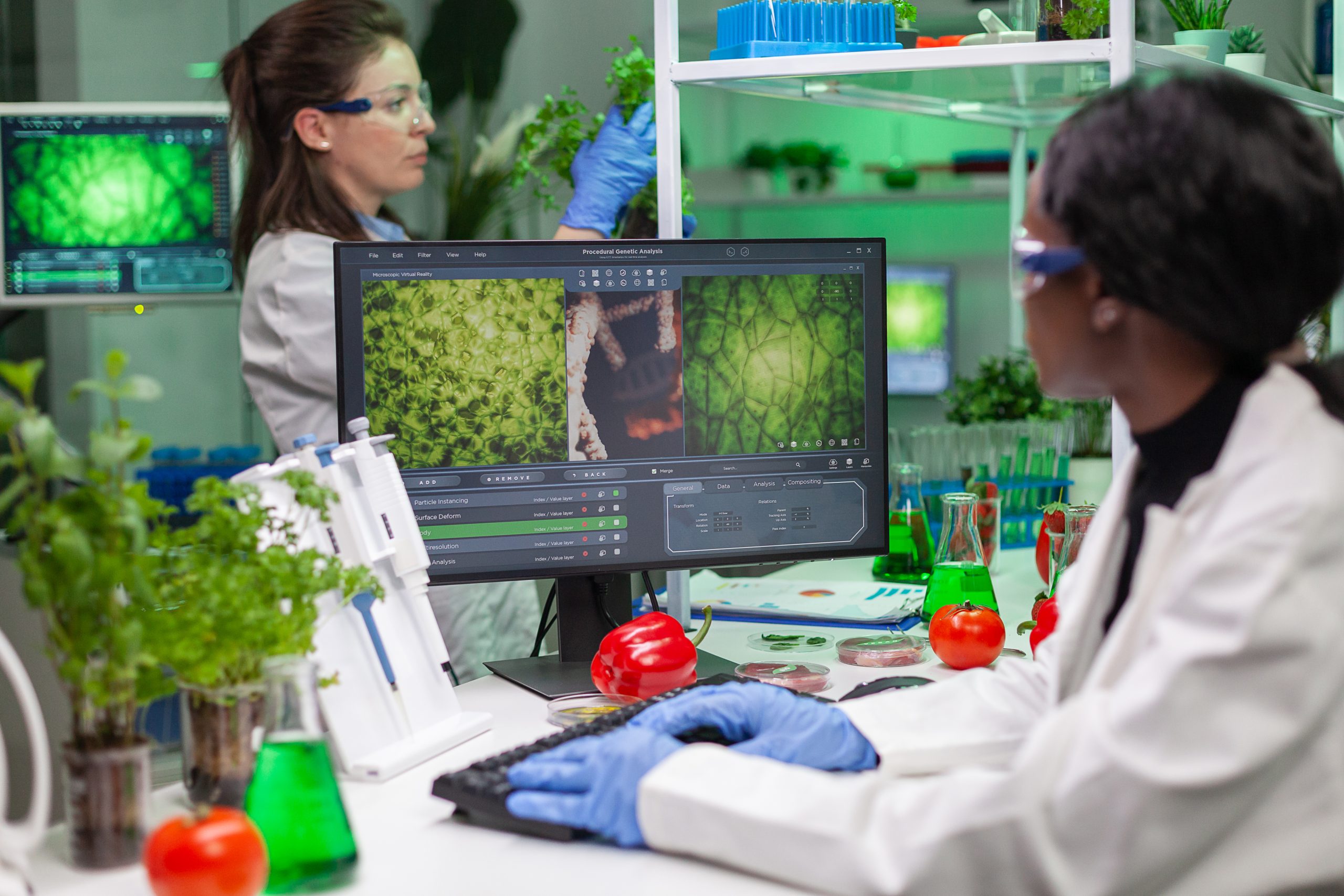
Follower Magazine proudly explores the groundbreaking impact of AI and Data Science on Algeria’s agriculture and healthcare sectors. These technologies are reshaping the way the country manages resources, optimizes operations, and improves the quality of life for its citizens. From predictive analytics to intelligent automation, Algeria is steadily embracing a digital transformation that promises long-term benefits for its economy and social infrastructure.
In agriculture, AI-driven tools are enabling farmers to make data-backed decisions that enhance productivity, reduce waste, and promote sustainable practices. Meanwhile, healthcare institutions are leveraging data science to improve patient care, forecast disease trends, and streamline medical operations. This convergence of technology and human expertise is setting Algeria apart as a nation ready to harness the future of innovation.
Revolutionizing Agriculture Through AI and Data Science
Precision Farming for Maximum Efficiency
Precision farming is emerging as a game-changer for Algerian agriculture. Using AI-powered sensors and drones, farmers can monitor soil health, crop growth, and irrigation needs in real-time. Data analysis tools allow for predictive insights into potential pest attacks or crop diseases. This not only boosts yield but also reduces unnecessary use of pesticides and water, making farming more environmentally sustainable.
Key Benefits:
- Optimized irrigation schedules based on real-time data
- Early detection of crop diseases and pest infestations
- Smart fertilizer application to enhance crop health
- Reduced operational costs through predictive maintenance
Table: AI Tools and Their Application in Agriculture
| AI Tool | Application | Impact |
| Drones | Crop monitoring | Real-time crop health data |
| Soil sensors | Moisture & nutrient tracking | Optimized irrigation |
| AI analytics | Crop yield prediction | Increased productivity |
| Image recognition | Disease detection | Early intervention |
Smart Supply Chains for Agricultural Products
Data science is also transforming how agricultural products move from farms to markets. Intelligent supply chain management uses predictive analytics to forecast demand, reduce spoilage, and minimize transportation inefficiencies. Algerian farmers can now track their produce, ensuring freshness while reducing economic losses caused by traditional logistics challenges.
Practical Steps for Farmers:
- Implement AI-powered inventory management systems
- Monitor weather patterns and demand forecasts
- Adopt automated transportation scheduling
- Collaborate with tech providers for data-driven insights
AI in Healthcare: Driving Smarter Patient Care
Predictive Analytics for Disease Prevention
Algeria Journal highlights how healthcare facilities are using AI to anticipate and prevent illnesses. By analyzing historical and real-time patient data, hospitals can predict outbreaks, identify high-risk patients, and allocate resources effectively. This proactive approach is transforming healthcare delivery, reducing hospital congestion, and improving patient outcomes.
Advantages of Predictive Healthcare Analytics:
- Early detection of chronic illnesses
- Forecasting regional disease outbreaks
- Improved hospital resource management
- Personalized treatment plans for patients
Intelligent Diagnostics and Treatment Planning
AI-powered diagnostic tools are revolutionizing how medical professionals identify conditions. Machine learning algorithms analyze medical images, lab results, and patient histories to assist doctors in making faster and more accurate decisions. This not only enhances patient safety but also ensures timely interventions, which is crucial in critical care scenarios.
Impactful Applications:
- Automated interpretation of X-rays and MRIs
- Risk assessment for cardiovascular diseases
- AI-assisted cancer detection
- Real-time monitoring of vital signs through wearable devices
Enhancing Healthcare Administration
Data science doesn’t stop at clinical applications. Hospitals are now leveraging AI to optimize administrative tasks such as patient scheduling, billing, and resource allocation. By automating repetitive processes, healthcare providers can focus more on patient care and strategic decision-making.
Benefits for Hospitals:
- Reduced administrative errors
- Efficient allocation of medical staff
- Enhanced patient satisfaction
- Cost savings through process optimization
Challenges in Implementing AI and Data Science in Algeria
Technological Infrastructure Limitations
One of the major hurdles is the availability of robust technological infrastructure. Many rural areas lack access to high-speed internet and modern data storage facilities. Overcoming this challenge is critical for equitable implementation of AI-driven solutions across the country.
Skill Gaps and Training Needs
Adopting AI and data science requires skilled professionals. Algeria needs focused educational programs and professional training to equip the workforce with necessary expertise in AI algorithms, data analysis, and machine learning techniques.
Ethical and Data Privacy Concerns
Handling sensitive healthcare data and agricultural information raises ethical concerns. Policymakers must establish strict data protection regulations to maintain public trust while promoting technological innovation.
Steps for Successful AI Integration in Algeria
Collaboration Between Government and Private Sector
The government can provide incentives for tech adoption while private companies can offer expertise and infrastructure. Collaborative projects ensure smooth implementation and encourage innovation in both agriculture and healthcare.
Investing in Education and Training
Creating specialized AI and data science programs in universities and technical institutes can develop a pool of skilled professionals ready to transform industries.
Encouraging Research and Innovation
Funding research projects and innovation hubs allows Algerian startups and researchers to create localized AI solutions that address specific national challenges in agriculture and healthcare.
Future Outlook: AI and Data Science in Algeria
The potential of AI and data science in Algeria is immense. As technologies continue to evolve, their impact on agriculture and healthcare will expand, driving sustainability, efficiency, and economic growth. The adoption of smart farming techniques and predictive healthcare models will ensure Algeria remains at the forefront of digital transformation in Africa.
Frequently Asked Questions (FAQs)
How is AI improving agriculture in Algeria?
AI enables precision farming, predictive analytics, and smart supply chain management, enhancing crop yield and reducing operational costs.
Can data science predict disease outbreaks in Algeria?
Yes, analyzing historical and real-time healthcare data helps forecast disease patterns and allocate medical resources effectively.
What challenges does Algeria face in AI adoption?
Key challenges include technological infrastructure limitations, skill gaps, and data privacy concerns.
How can farmers access AI tools for agriculture?
Farmers can collaborate with tech providers, use government-supported programs, and adopt AI-powered monitoring and analytics platforms.
What is the role of AI in healthcare administration?
AI optimizes scheduling, billing, and resource allocation, reducing administrative workload and improving patient care efficiency.
Conclusion
Follower Magazine emphasizes that AI and Data Science are not just technological trends, they are transformative forces reshaping Algeria’s agriculture and healthcare sectors. By embracing innovation, investing in infrastructure, and fostering talent development, Algeria can unlock unprecedented efficiency, productivity, and societal benefits.
From precision farming to predictive healthcare analytics, the country stands on the cusp of a data-driven revolution that promises a brighter, healthier, and more sustainable future for all its citizens.Follower Magazine proudly explores the groundbreaking impact of AI and Data Science on Algeria’s agriculture and healthcare sectors. These technologies are reshaping the way the country manages resources, optimizes operations, and improves the quality of life for its citizens. From predictive analytics to intelligent automation, Algeria is steadily embracing a digital transformation that promises long-term benefits for its economy and social infrastructure.
In agriculture, AI-driven tools are enabling farmers to make data-backed decisions that enhance productivity, reduce waste, and promote sustainable practices. Meanwhile, healthcare institutions are leveraging data science to improve patient care, forecast disease trends, and streamline medical operations. This convergence of technology and human expertise is setting Algeria apart as a nation ready to harness the future of innovation.
Revolutionizing Agriculture Through AI and Data Science
Precision Farming for Maximum Efficiency
Precision farming is emerging as a game-changer for Algerian agriculture. Using AI-powered sensors and drones, farmers can monitor soil health, crop growth, and irrigation needs in real-time. Data analysis tools allow for predictive insights into potential pest attacks or crop diseases. This not only boosts yield but also reduces unnecessary use of pesticides and water, making farming more environmentally sustainable.
Key Benefits:
- Optimized irrigation schedules based on real-time data
- Early detection of crop diseases and pest infestations
- Smart fertilizer application to enhance crop health
- Reduced operational costs through predictive maintenance
Table: AI Tools and Their Application in Agriculture
| AI Tool | Application | Impact |
| Drones | Crop monitoring | Real-time crop health data |
| Soil sensors | Moisture & nutrient tracking | Optimized irrigation |
| AI analytics | Crop yield prediction | Increased productivity |
| Image recognition | Disease detection | Early intervention |
Smart Supply Chains for Agricultural Products
Data science is also transforming how agricultural products move from farms to markets. Intelligent supply chain management uses predictive analytics to forecast demand, reduce spoilage, and minimize transportation inefficiencies. Algerian farmers can now track their produce, ensuring freshness while reducing economic losses caused by traditional logistics challenges.
Practical Steps for Farmers:
- Implement AI-powered inventory management systems
- Monitor weather patterns and demand forecasts
- Adopt automated transportation scheduling
- Collaborate with tech providers for data-driven insights
AI in Healthcare: Driving Smarter Patient Care
Predictive Analytics for Disease Prevention
Algeria Journal highlights how healthcare facilities are using AI to anticipate and prevent illnesses. By analyzing historical and real-time patient data, hospitals can predict outbreaks, identify high-risk patients, and allocate resources effectively. This proactive approach is transforming healthcare delivery, reducing hospital congestion, and improving patient outcomes.
Advantages of Predictive Healthcare Analytics:
- Early detection of chronic illnesses
- Forecasting regional disease outbreaks
- Improved hospital resource management
- Personalized treatment plans for patients
Intelligent Diagnostics and Treatment Planning
AI-powered diagnostic tools are revolutionizing how medical professionals identify conditions. Machine learning algorithms analyze medical images, lab results, and patient histories to assist doctors in making faster and more accurate decisions. This not only enhances patient safety but also ensures timely interventions, which is crucial in critical care scenarios.
Impactful Applications:
- Automated interpretation of X-rays and MRIs
- Risk assessment for cardiovascular diseases
- AI-assisted cancer detection
- Real-time monitoring of vital signs through wearable devices
Enhancing Healthcare Administration
Data science doesn’t stop at clinical applications. Hospitals are now leveraging AI to optimize administrative tasks such as patient scheduling, billing, and resource allocation. By automating repetitive processes, healthcare providers can focus more on patient care and strategic decision-making.
Benefits for Hospitals:
- Reduced administrative errors
- Efficient allocation of medical staff
- Enhanced patient satisfaction
- Cost savings through process optimization
Challenges in Implementing AI and Data Science in Algeria
Technological Infrastructure Limitations
One of the major hurdles is the availability of robust technological infrastructure. Many rural areas lack access to high-speed internet and modern data storage facilities. Overcoming this challenge is critical for equitable implementation of AI-driven solutions across the country.
Skill Gaps and Training Needs
Adopting AI and data science requires skilled professionals. Algeria needs focused educational programs and professional training to equip the workforce with necessary expertise in AI algorithms, data analysis, and machine learning techniques.
Ethical and Data Privacy Concerns
Handling sensitive healthcare data and agricultural information raises ethical concerns. Policymakers must establish strict data protection regulations to maintain public trust while promoting technological innovation.
Steps for Successful AI Integration in Algeria
Collaboration Between Government and Private Sector
The government can provide incentives for tech adoption while private companies can offer expertise and infrastructure. Collaborative projects ensure smooth implementation and encourage innovation in both agriculture and healthcare.
Investing in Education and Training
Creating specialized AI and data science programs in universities and technical institutes can develop a pool of skilled professionals ready to transform industries.
Encouraging Research and Innovation
Funding research projects and innovation hubs allows Algerian startups and researchers to create localized AI solutions that address specific national challenges in agriculture and healthcare.
Future Outlook: AI and Data Science in Algeria
The potential of AI and data science in Algeria is immense. As technologies continue to evolve, their impact on agriculture and healthcare will expand, driving sustainability, efficiency, and economic growth. The adoption of smart farming techniques and predictive healthcare models will ensure Algeria remains at the forefront of digital transformation in Africa.
Frequently Asked Questions (FAQs)
How is AI improving agriculture in Algeria?
AI enables precision farming, predictive analytics, and smart supply chain management, enhancing crop yield and reducing operational costs.
Can data science predict disease outbreaks in Algeria?
Yes, analyzing historical and real-time healthcare data helps forecast disease patterns and allocate medical resources effectively.
What challenges does Algeria face in AI adoption?
Key challenges include technological infrastructure limitations, skill gaps, and data privacy concerns.
How can farmers access AI tools for agriculture?
Farmers can collaborate with tech providers, use government-supported programs, and adopt AI-powered monitoring and analytics platforms.
What is the role of AI in healthcare administration?
AI optimizes scheduling, billing, and resource allocation, reducing administrative workload and improving patient care efficiency.
Conclusion
Follower Magazine emphasizes that AI and Data Science are not just technological trends, they are transformative forces reshaping Algeria’s agriculture and healthcare sectors. By embracing innovation, investing in infrastructure, and fostering talent development, Algeria can unlock unprecedented efficiency, productivity, and societal benefits.
From precision farming to predictive healthcare analytics, the country stands on the cusp of a data-driven revolution that promises a brighter, healthier, and more sustainable future for all its citizens.