

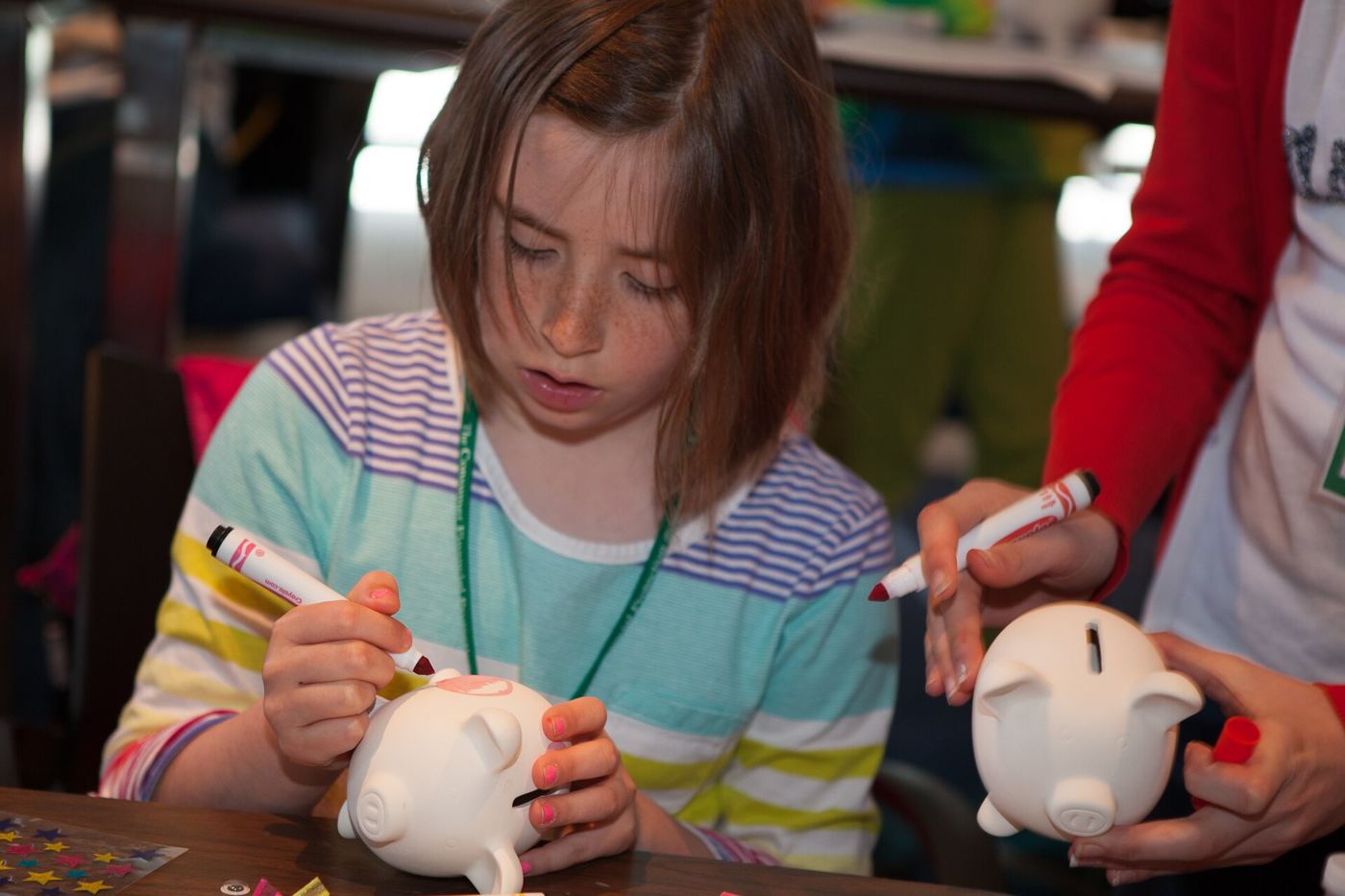
Parents are using pocket money to teach children about money earlier, turning a small weekly sum into a first lesson in budgeting, saving and spending. Instead of simply handing over cash, many families now sit down with their children to talk about what the money is for, agreeing together how much is for spending, how much is for saving and how much might be given to others. Money experts say the habit matters far more than the amount, because children who practise making choices with a little money grow into adults who handle a salary with confidence. A child who saves for a toy over several weeks learns patience and planning, while a child who spends everything at once learns, gently, what it feels like to have nothing left. Schools are also playing a part, with some running money lessons that ask children to plan a budget for a pretend week. Parents say the conversations are often surprising, with children asking sharp questions about prices, work and why adults worry about bills. The aim, they say, is not to make children anxious about money, but to give them the confidence to handle it well.
What the Evidence Shows
Experts recommend a few simple rules for pocket money: give it regularly, in cash or in a children’s account, and let the child decide how to use it within agreed limits. A clear jar or a simple chart helps younger children see their savings grow, while older children can try a basic bank account or a prepaid card with a spending limit. Mistakes are part of the lesson, advisers say, so a child who wastes the week’s money should not be rescued with extra cash, but helped to plan better next time. Parents are also advised to talk openly about their own money choices, explaining why the family saves for holidays or waits for a sale. Earning extra money through small chores can teach the link between work and pay, though experts warn against paying for every household task. For families, the reward is practical: children who learn about money early tend to ask better questions, save more willingly and feel calmer about money as they grow up. Reporting and analysis from sources such as World Bank track the same developments, and specialists following pocket money lessons for children say the direction is now consistent across independent lines of evidence.
The Wider Context
For households and small firms, pocket money lessons for children matters through prices and access rather than through market commentary. Changes at this level arrive as a rate on an offer letter, a fee on a statement or a product that quietly disappears from a comparison table. Consumer groups argue that transparency at exactly that point of decision is worth more than any amount of market-level reporting.
What Happens Next
The outlook for pocket money lessons for children hinges on policy choices that will be made in the open over the coming quarters. Market participants are positioned for more than one outcome, which is why the immediate reaction to each announcement has been smaller than the commentary around it. For ordinary savers and borrowers, the advice from every quarter is the same: review your own position, not the headlines. You can follow related developments in our coverage of finance.
It is also worth remembering how quickly the picture in this area has changed before. Positions that looked settled a few years ago have been revised as new data arrived, and the same humility is appropriate now. The strongest coverage of this subject, and the most useful advice, tends to come from sources that update their views openly when the facts move, rather than defending an earlier position long after it has stopped fitting the evidence available.
