

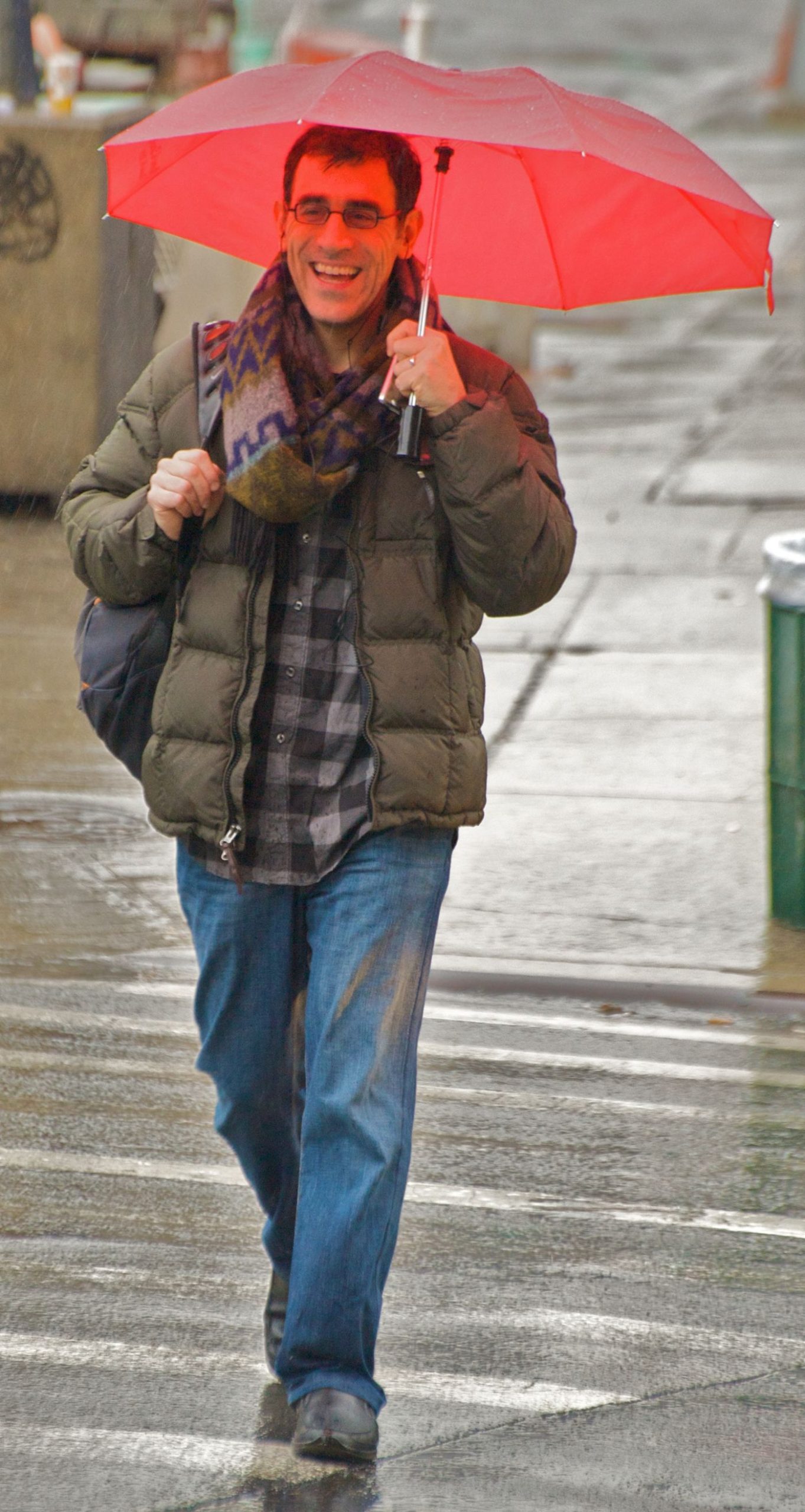
The weather that city infrastructure was designed for no longer exists in many places. Streets built for historical rainfall now flood in storms that arrive several times a decade, heatwaves push temperatures beyond what housing was built to shed, and emergency services plan for compound events, fire weather after drought, floods during a heatwave, that old playbooks never imagined. Adaptation, once a footnote in climate policy, has become the main job of city government. Reaction has been mixed, with praise for the ambition and questions about the funding. Comparable programmes abroad are being studied for lessons, good and bad.
What adaptation looks like
The visible version is concrete and green at once: permeable pavements and park basins that hold storm water, white and planted roofs that cut indoor heat, tree canopies targeted at the hottest, poorest districts first. The invisible version matters as much: building codes rewritten for higher temperatures, drainage maps updated, and early-warning systems that send targeted alerts hours before rivers rise, which studies credit with cutting flood deaths dramatically. Local voices feature prominently in the debate, and they do not speak with one accent. Reporting and analysis from sources such as United Nations track the same trend. Data published alongside the announcement will be pored over by specialists this week.
The economics of acting early
Insurers are forcing the argument. As premiums rise or coverage is withdrawn from exposed areas, property values and council budgets feel the risk directly. Economists who tally adaptation spending find the same pattern across countries: a unit of money spent on resilience returns several in avoided damage, quite apart from lives saved. The harder problem is political: the benefits arrive as disasters that did not happen, which is a difficult thing to campaign on. Data published alongside the announcement will be pored over by specialists this week. Whatever happens next, the direction of travel now seems set. You can follow related developments in our news coverage.
Equity decides who is safe
Heat and flooding do not fall evenly. Low-income districts have less tree cover, more asphalt, older housing and fewer residents able to take a day off or pay for cooling, and they consistently record the worst outcomes in the same events. City officers now speak of adaptation budgets as fairness budgets. The cities judged best prepared are those that mapped their vulnerable residents first and built the plan around them. Whatever happens next, the direction of travel now seems set. The full effects will take time to measure, but the direction is already visible in early data, in professional practice, and in the choices ordinary people are making now.
There is a practical lesson in all of this for readers deciding what to do today. Start with the verified facts, be wary of anyone promising certainty, and prefer reversible steps while the evidence is still developing. Circumstances differ by country, income and personal situation, so general guidance should always be weighed against your own context before you act on it in any significant or lasting way.
